
Exile’s Letter

BOOK REVIEW
Ha Jin’s New Book Explores Literature and Deracination
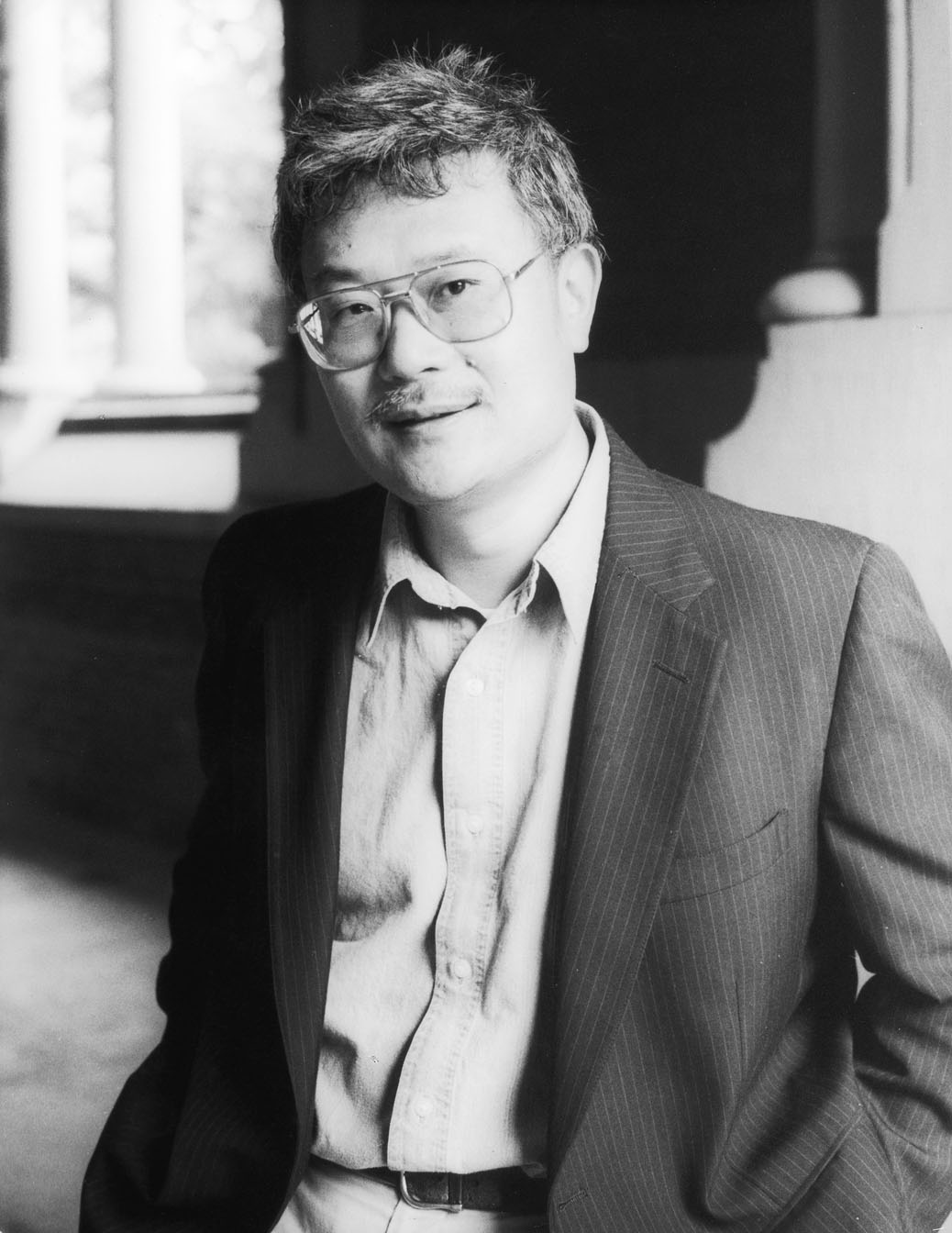 Ha Jin was a soldier in the People’s Liberation Army during China’s Cultural Revolution, before moving to the U.S. on a scholarship and, eventually, winning the National Book Award for his novel of a lovelorn Chinese army officer, Waiting. In his nonfiction debut, The Writer as Migrant, Ha Jin explores attempts by transplanted writers — among them Conrad, Nabokov and Beckett — to find connections between their adopted homes and native lands.
Some see themselves as ardent champions of their tribe (Ha Jin confides that he once viewed himself as “a Chinese writer who would write in English on behalf of the downtrodden Chinese”). Others are renegades or peripatetic cultural ambassadors or secluded misfits. Often, they are each of those things at different times. Those who wish to reach audiences in their new homes must also grapple with linguistic loyalty. Much of the book is about this — it would be, given that Ha Jin has chosen to write exclusively in English and takes issue with those who argue the ultimate betrayal is to choose to write in another language.
By acquiring a fresh command of the nuances and idiosyncrasies of an adopted language, migrant writers can help create, in Ha Jin’s view, a common lexis in which their “real passport” is their art. “I share Salman Rushdie’s conviction that something can be gained in translation,” says Ha Jin. So do a growing number of readers in an increasingly borderless world.
Copyright © 2009 Journalist Deena Guzder
Sitemap